How to Choose Cookware for Everyday Cooking: A Practical Guide

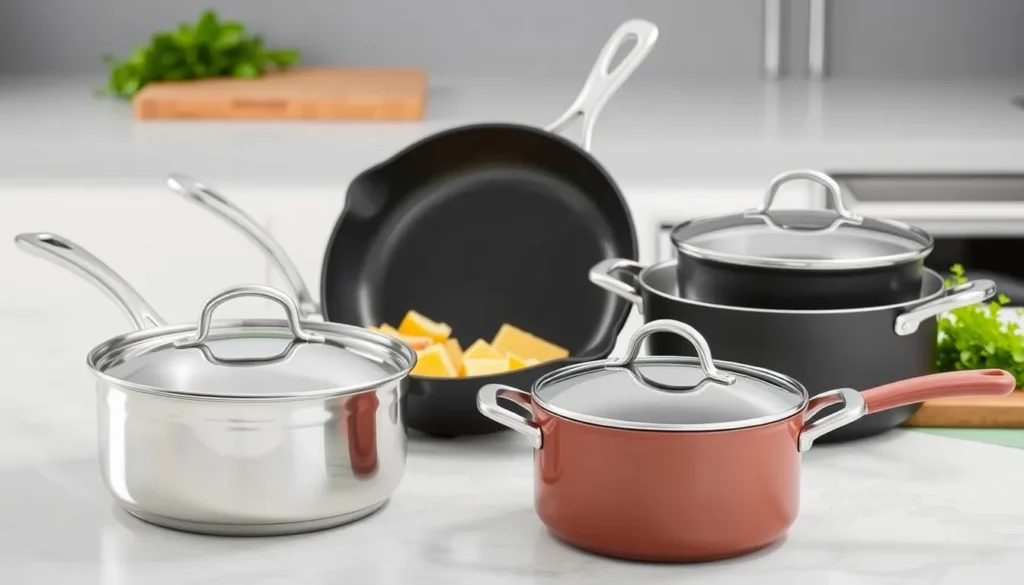
If you feel overwhelmed by endless cookware trends and marketing claims, this guide helps you cut through the noise. It is designed for home cooks who want to build a practical, minimal set that fits their actual kitchen routine, not just a shopping cart.
We break down how material properties like heat retention and reactivity influence daily performance. By aligning specific pan types with your maintenance tolerance and stove compatibility, you can avoid unnecessary purchases. This approach ensures every piece you own serves a clear purpose, saving money and counter space while improving your everyday cooking confidence.
Understanding Core Material Properties
Stainless Steel
Stainless steel offers excellent durability and resistance to corrosion. It is non-reactive, meaning acidic ingredients like tomatoes or wine will not alter the flavor of your food. However, pure stainless steel conducts heat poorly. Most high-quality pans use a layered construction, often called tri-ply, with an aluminum or copper core to improve heat distribution. This makes it ideal for searing and deglazing, though it requires more attention to prevent hot spots.
Cast Iron
Cast iron is prized for its superior heat retention. Once preheated, it maintains a consistent temperature, making it perfect for deep frying and slow braising. It is naturally non-stick when properly seasoned, a polymerized layer of oil that also protects the metal. However, it is heavy and requires regular maintenance to prevent rust. Its reactivity is low, but it can absorb flavors from previous meals if not cared for correctly.
Aluminum
Aluminum is an excellent heat conductor, providing even heat distribution across the surface. It heats up quickly and responds rapidly to temperature changes. Because pure aluminum is reactive, it is usually coated or clad in stainless steel for everyday use. It is lightweight and affordable, making it a practical choice for sautéing and general cooking, provided the coating is intact.
Non-Stick Coatings
Non-stick surfaces minimize food adhesion, reducing the need for oil and simplifying cleanup. They work best for low-heat cooking, such as eggs or delicate fish. However, they have limited heat tolerance and lack the heat retention of cast iron. The coating is a consumable component, meaning the pan has a finite lifespan. They are highly effective for specific tasks but do not replace versatile, uncoated options.
Matching Cookware to Your Cooking Habits
Start by auditing your actual weekly routine rather than aspirational goals. If your kitchen activity centers on boiling pasta, simmering soups, or making light sauces, a set of deep, uncoated pots and a standard skillet covers most needs. These tasks benefit from consistent heat distribution and easy cleanup, making stainless steel or enameled cast iron practical choices. They handle moderate heat without requiring the careful temperature management needed for high-heat searing.
Conversely, if you frequently sear steaks, stir-fry vegetables, or bake bread, your priorities shift. Searing demands high heat retention and direct contact with a hard surface to create a crust. Cast iron excels here because it stores thermal energy effectively, maintaining temperature even when cold food hits the pan. For stir-frying, the rapid heat response of carbon steel or thin-gauge stainless steel allows you to adjust the flame quickly, preventing burning. Baking focuses on even heat distribution across the base and sides, where heavy-gauge metals prevent hot spots that lead to uneven browning.
Ingredient chemistry also dictates material selection. Tomatoes, wine, and citrus create acidic environments that can leach metal from reactive cookware like bare aluminum or copper. Using non-reactive materials such as stainless steel, enameled cast iron, or glass for these dishes preserves flavor and prevents metallic tastes. If you cook acidic sauces regularly, invest in a dedicated stainless steel pot rather than relying on a single reactive pan for all tasks.
Finally, consider your maintenance tolerance alongside your habits. If you dislike scrubbing, avoid raw cast iron for daily use unless you are committed to regular seasoning. If you cook mostly dry goods, a single versatile skillet may suffice. Align your purchases with the specific thermal and chemical demands of your frequent meals. This approach prevents buying unnecessary items that sit unused while you lack the right tool for the job you actually do.
The Essential Pan Sizes and Shapes
The three-piece foundation covers the vast majority of daily tasks without cluttering your cabinet. Start with a 10 to 12-inch skillet. This size provides sufficient surface area for searing meat, sautéing vegetables, or frying eggs, while remaining manageable for one-person or two-person households. Its flat bottom ensures consistent heat distribution across the entire cooking surface, preventing cold spots that lead to uneven browning.
Next, select a 3 to 4-quart saucepan. This vessel handles boiling pasta, making sauces, and reheating liquids. The straight sides allow for easy stirring and prevent splashing, while the volume is large enough for a single batch of soup but small enough to heat efficiently on a standard burner. It serves as the workhorse for liquid-based recipes where heat retention matters less than rapid temperature changes.
Finally, add a 5 to 6-quart stockpot. This deep container is essential for boiling large quantities of pasta, blanching greens, or preparing stews and stocks. Its height accommodates simmering liquids without risking boil-overs, and the wider diameter aids in evaporation when reducing broths. This size bridges the gap between a saucepan and a full-sized Dutch oven, offering capacity for family meals without the bulk of larger vessels.
Regarding shape, prioritize pans with sloped or rounded walls over strictly vertical sides. Deep skillets with gentle curves offer exceptional versatility. They allow you to toss ingredients easily, similar to a wok, while still providing enough depth to hold liquids. This design facilitates a smooth transition from stovetop searing to oven finishing, such as baking frittatas or casseroles. Ensure the handle remains cool to the touch or is oven-safe if you intend to use this multi-step technique. This single shape effectively combines the functions of a sauté pan and a baking dish, maximizing utility per square foot of storage space.
Maintenance and Longevity Considerations
Choosing cookware effectively requires balancing initial cost against long-term care. The material directly dictates how much time you must spend cleaning and preserving the pan’s performance. Understanding these constraints helps prevent frustration and extends the lifespan of your investment.
Cast Iron demands active maintenance to prevent rust. You must keep it dry and apply a thin layer of oil after each wash. Seasoning is a polymerized layer of oil that creates a natural, non-stick surface. If this layer wears off, you can rebuild it by heating the pan with oil. While labor-intensive, cast iron offers exceptional durability and can last for generations if cared for properly.
Non-Stick Coatings offer the easiest daily use but have limited longevity. The coating deteriorates over time, typically losing its effectiveness within a few years. Avoid using metal utensils, as they scratch the surface and accelerate wear. Most modern non-stick pans are not induction compatible unless specified, and many are not dishwasher safe. Hand washing with a soft sponge is essential to preserve the coating.
Stainless Steel is highly durable and resistant to corrosion. It handles metal utensils well and is generally dishwasher safe, making it the lowest maintenance option. However, food can stick more easily, requiring technique rather than coating for release. Proper cleaning involves removing tough stains without abrasive scrubbers that could dull the finish.
Ultimately, select materials that align with your willingness to perform routine care. A minimal set prioritizing ease of cleaning often proves more practical than acquiring multiple specialized pans that require intensive upkeep.
Stove Compatibility and Handle Design
Before purchasing, verify your cookware’s compatibility with your specific heat source. Induction ranges require magnetic bases, so test a magnet against the bottom of the pan; if it sticks firmly, the item is induction compatible. Gas and electric coil stoves are less restrictive but benefit from flat, heavy bottoms that maximize heat distribution. If you use an induction stove, avoid thin aluminum or copper pans unless they have a bonded steel layer. Checking the manufacturer’s specifications for minimum thickness requirements ensures efficient energy transfer and prevents hot spots that can burn food or waste electricity.
Handle design is a critical safety feature often overlooked until a pot is full. Long, sturdy handles provide leverage for lifting heavy, liquid-filled vessels without straining your wrists. Look for riveted handles on metal pans, as they withstand high oven temperatures better than plastic or wooden attachments, which may melt or crack. For everyday safety, handles should sit flush against the pan body to prevent catching on racks or clothing. A secure grip is essential when pouring hot liquids or transferring pans between heat zones.
Oven-safe handles extend the utility of your cookware, allowing you to sear on the stovetop and finish in the oven. Check the maximum temperature rating for both the pan body and the handle material. Silicone or phenolic handles offer comfort but typically have lower heat limits than stainless steel or cast iron. If you frequently braise or roast, prioritize all-metal handles for durability. Additionally, consider ergonomic contours that fit naturally in your hand, reducing fatigue during prolonged cooking sessions. The right combination of base material and handle construction ensures your cookware performs reliably across different cooking methods.
